

Most after-hours programs are bought as a block of hours and never tuned. Designing coverage around when your calls actually arrive is what decides whether it earns its keep.
Start with when, not how many
The usual way an after-hours service gets bought is that somebody notices voicemails piling up, calls a provider, and buys "evenings and weekends". That is a reasonable instinct and an expensive default, because it staffs hours that may produce nothing and misses the ones that produce everything.
The better starting point is a timestamp report. Every phone system can produce one: for the last sixty to ninety days, when did calls arrive, which went unanswered, and how long did callers wait before hanging up. That single report usually reshapes the program before a provider is involved.
The four gaps most businesses actually have
- The shoulder hours. Roughly an hour either side of opening. People call before work and on their commute home, and the office is either not staffed yet or has just emptied.
- The lunch collapse. A predictable daily hole where the phone rings and everyone qualified to answer it is out. This is a business-hours problem that after-hours coverage does not touch.
- Saturday morning. For consumer-facing trades this is frequently the single heaviest booking window of the week, because it is the first moment customers have time to deal with the thing that annoyed them all week.
- The genuine overnight. Real for emergency trades, medical practices and anything with a duty of care. Largely theatre for everyone else.

Define the escalation list before you define the hours
The fastest way to make an after-hours program worthless is to escalate everything. A rota that gets woken for a routine question stops answering, and then the genuine emergency goes unanswered too. The list of things that reach a human at two in the morning should be short, specific and written down: for a property manager it is flooding, no heat, fire, and lockouts; for a medical practice it is a defined clinical triage; for most trades it is three or four scenarios.
Everything else is captured properly and delivered in the morning. "Captured properly" is doing real work here — a message with the address, the fault, the access arrangements and the caller's availability is a job someone can start. A message with a name and a number is a task to call back and ask the questions.
Give agents something to answer with
An after-hours desk that can only take messages will convert badly, because the caller is comparing you against whoever else picks up tonight. The programs that pay for themselves let the agent do at least one useful thing: book the appointment, quote from a published price list, confirm what is on the schedule, or state a genuine arrival window. Each of those requires access to a system and a rule about what may be promised — which is setup work, and is where the return comes from.
Measure it on outcomes, not on answered calls
Answered-call counts tell you the phone was picked up. They do not tell you whether the program earned anything. Track how many after-hours calls became booked work, how many escalations were genuine, how many were avoidable, and what proportion of calls the desk resolved without your team. Six weeks of that data will usually tell you to move hours around rather than buy more of them.
See how after-hours coverage is staffed, or start with the trade-specific version if yours is one of them.
Deciding what counts as urgent, before anyone is on call
Every after-hours program eventually turns on one question: what is worth waking someone for. Answered vaguely, it produces two failures at once — genuine emergencies that waited until morning, and on-call staff woken for things that could have. Both erode the program, and the second erodes it faster, because on-call goodwill is finite.
Write the definition as examples rather than principles. A short list of situations that always escalate immediately, a short list that never does, and a default for everything else — which should be to capture and pass on at the start of business, not to guess. Include the awkward cases explicitly: the caller who insists it is urgent when the criteria say otherwise, the second call from someone already told to wait, and the caller who will not identify the issue. Agents need a rehearsed, courteous way to hold the line on these, because the pressure in the moment always runs toward escalating.
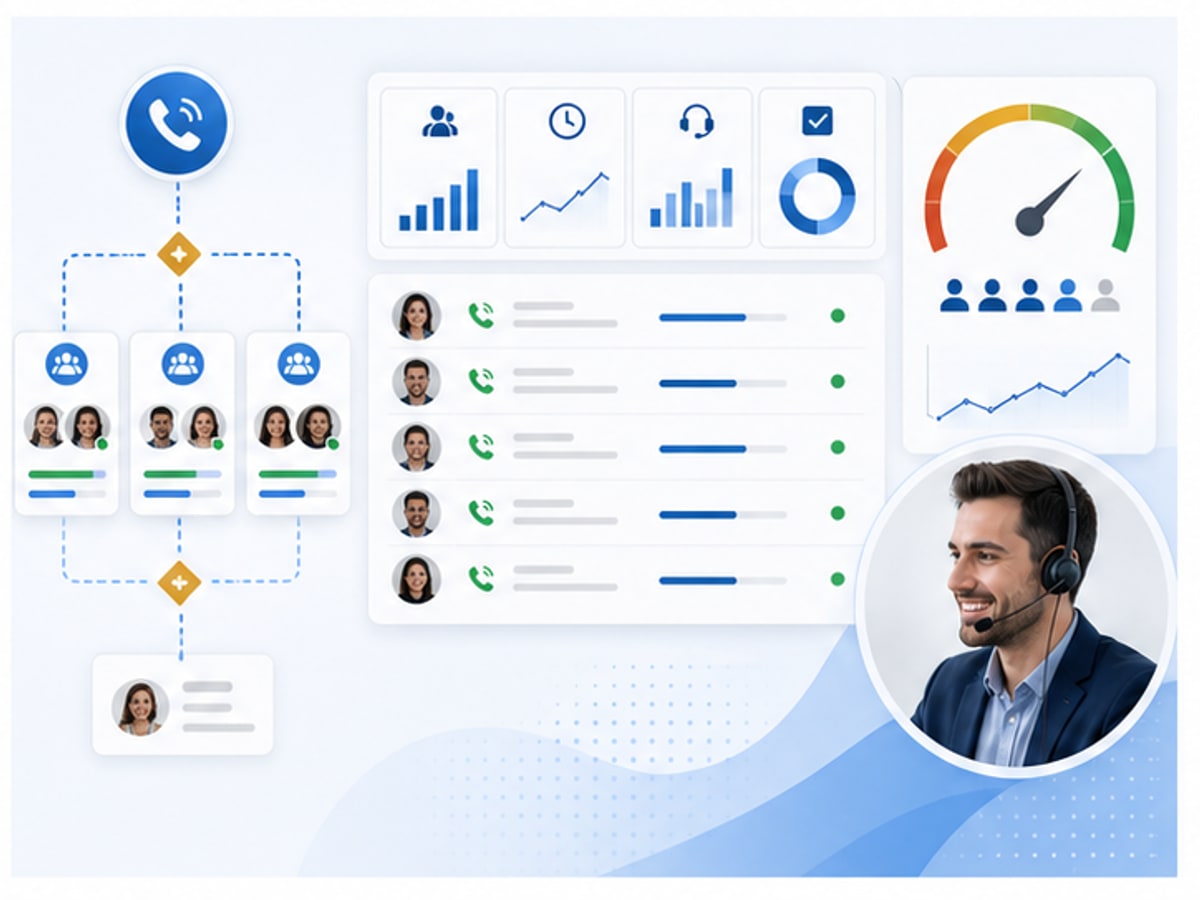
The escalation chain has to survive a real night
Escalation lists are usually written once, on a good day, and then tested at two in the morning when the first name does not answer. What happens next is the actual design, and it is frequently undefined.
Specify: how many rings or minutes before moving to the next contact, how many attempts per person, what happens when the whole list is exhausted, and who the final fallback is — someone must be, even if the answer is that a message is left and the caller is told honestly when to expect a response. Then keep it current, which is the part that fails. Rotas change, people leave, numbers change, and a list that is six months stale escalates to someone who no longer works there. Set a fixed review date rather than relying on someone remembering, and have the provider confirm the live list back to you periodically so drift is visible.
Coverage that matches your actual risk
"After hours" is not one block, and treating it as one either overspends or leaves the real gap open. The periods have different volumes, different callers and different consequences: weekday evenings are often the highest-volume window and the most commercially valuable, since a prospective customer calling at seven is choosing between suppliers. Overnight is low volume and high stakes. Weekends behave like short weekdays for many businesses. Public holidays are the most-missed gap of all, and the one that callers remember.
Look at where your missed calls actually fall before buying coverage. Many businesses discover the largest loss is the hour after closing rather than the middle of the night, which is a cheaper problem to solve. Then decide the handling per window rather than uniformly: full message capture and escalation overnight, perhaps fuller resolution during the evening commercial window. Our cost guide covers how coverage windows translate into the pricing model.
After-Hours Answering: Frequently Asked Questions
How do we work out which hours to buy?
Pull a timestamp report of missed and abandoned calls for the last sixty to ninety days and plot them by hour and weekday. Nearly every business finds two or three concentrated gaps rather than an even spread, and those gaps are rarely the ones they assumed. Buy those hours first, run for six weeks, and look again — the data after coverage exists is more useful than the data before it, because you can finally see what those calls were worth.
Will an outside agent understand our emergencies?
Only if you define them, and defining them is your job rather than the provider's. The programs that work have a written, short list of what counts as urgent in your trade, in your words, with the questions an agent asks to identify each one. The programs that fail have a general instruction to use judgment, which produces either constant escalation or missed emergencies. Expect to spend real time on this at setup; it is the single highest-value part of the build.
What about callers who just want a price?
Decide the rule in advance rather than leaving it to the agent at ten at night. If you publish prices, agents can read from the published list exactly as written, which resolves the call and often books the job. If you price per job, the honest answer is that a quote requires a look, and the agent's job is to capture what drives your pricing and book the visit. What loses money is an agent guessing a number to keep a caller happy, which becomes an argument later.
Can the same desk cover the lunch hour?
Yes, and for a lot of businesses that is where the fastest return is, because those are business-hours calls from people ready to buy. It is usually configured as overflow rather than as a separate service: the outside desk picks up after your line rings a set number of times, so it only engages when nobody internal is available. That also means you pay for what is actually used rather than for a block of reserved hours.
Answering services
Keep reading
The rest of this cluster, for the question you are actually working through.
- Answering Service vs Call Center: Which One Do You Need?
- What Drives Answering Service Cost (And What to Ask Before You Buy)
- HIPAA and Your Answering Service: What Actually Has to Be True
- 24/7 Live Answering Service | A Person Answers, Every Hour of Every Day
- Home Services Answering Service | 24/7 Dispatch for Every Trade
- IT Answering Service | 24/7 Live Intake and Ticketing for MSPs


Start here
24/7 Answering Service
How a live answering service works, what it covers and how it is run for your trade.
Sources and References
The laws, standards and certifications this page refers to, linked to their official text or publisher.
- HIPAA (Health Insurance Portability and Accountability Act), U.S. Department of Health & Human Services: privacy and security rules for protected health information.